Black History Month: Honoring Idlewild’s Legacy, Advancing Housing Justice in Raleigh
This Black History Month, we reflect not only on the achievements and resilience of Black communities in Raleigh, but also on the policies that shaped, and in many cases harmed, those communities. Understanding this history is essential to advancing equitable housing opportunities in our community today.
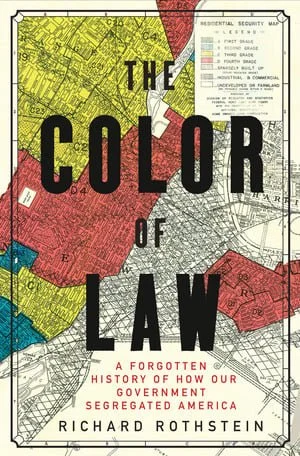
In The Color of Law, author Richard Rothstein details how government actions intentionally segregated cities across the United States, including Raleigh, NC.
In her research, Historian Karen Benjamin uncovered records revealing how local school placement decisions in Raleigh during the 1920s became one of many tools used to force segregation. In the early 1900s, Raleigh had two relatively prosperous African American communities — Idlewild and College Park — located on what was then Raleigh’s northeast side. These were middle-class neighborhoods of owner-occupied single-family homes. They represented stability, opportunity, and growing generational wealth within Black communities.
But in the 1920s, the school board made a decision with lasting consequences: it transferred all schools for Black students to the far southeastern section of the city. Planners hoped this move would isolate Raleigh’s African American residents. Over time, these deliberate decisions helped dismantle thriving communities like Idlewild, reshaping the city’s landscape through policy-driven segregation.
Idlewild: A Foundation of Black Homeownership
Idlewild was one of the first areas in the City of Raleigh where African American families could purchase homes. The Raleigh Land and Improvement Company subdivided the area into smaller plots, creating opportunities for Black homeownership during a time when such access was limited and often restricted.
The neighborhood grew into a strong, connected community in the early twentieth century — a testament to the determination and vision of its residents. The Idlewild legacy remains deeply woven into Raleigh’s history. Therefore making it the ideal location for a public-private partnership to address the rising issue of affordable housing in Wake County.
The Cottages of Idlewild: Investing in Permanent Affordability
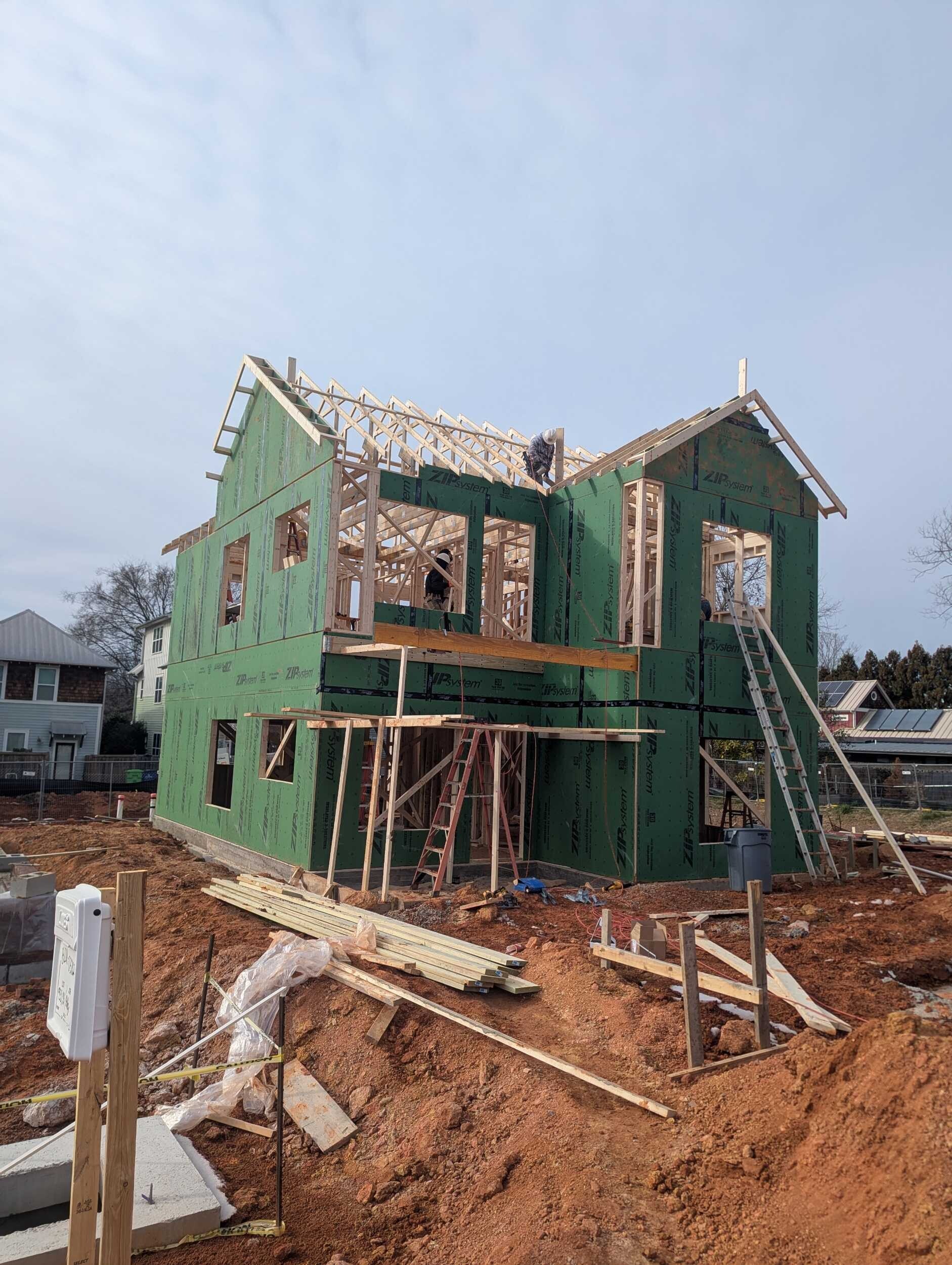
The Raleigh Area Land Trust is committed to ensuring that history informs our work. The Cottages of Idlewild housing units, located at Lane Street and Idlewild Avenue, sit in the heart of the historic Idlewild neighborhood. This development is more than housing — it is an investment in permanent affordability within a historically African American community.
Through intentional design, meaningful partnerships, and prominent features that honor the neighborhood’s legacy, The Cottages of Idlewild seek to recognize the strength of those who built this community before us.
Black History Month is not only a time to celebrate culture and achievement — it is also a time to acknowledge the policies that created inequities in housing, education, and wealth-building.
Homeownership has long been one of the primary pathways to generational wealth in America. When policies intentionally restricted where Black families could live or moved essential resources like schools to force segregation, they disrupted opportunity for generations.
At RALT, our mission to create permanently affordable homeownership opportunities is rooted in this history. By investing in communities like Idlewild, we work to expand access to stable, affordable housing — and to ensure that the opportunity to build wealth through homeownership is not limited by race or income.
As we honor Black History Month, we recommit ourselves to building a more equitable Raleigh — one home, one family, and one neighborhood at a time.